Micro-Credentials in healthcare: Why India’s professionals can’t afford to stand still
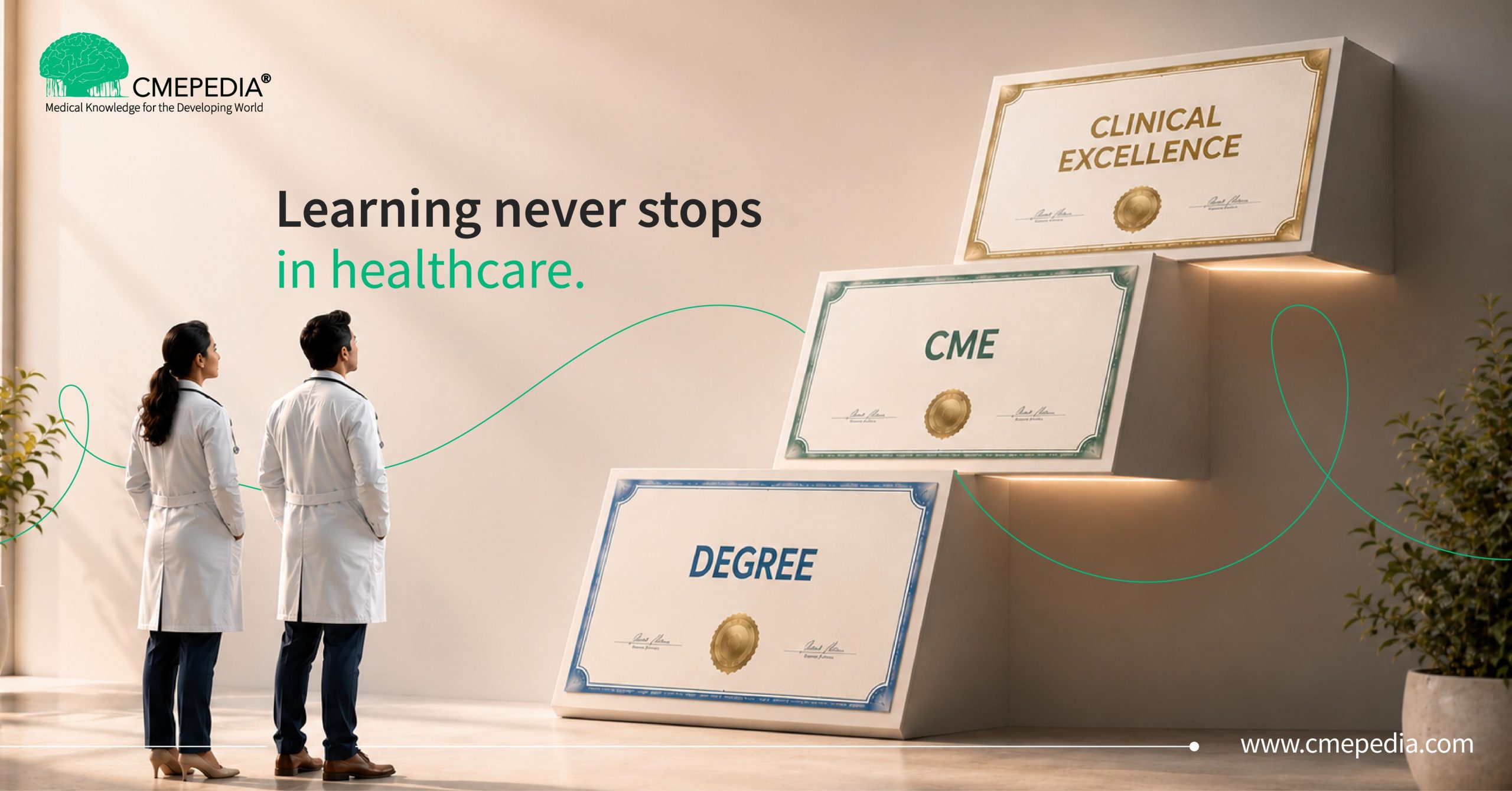
Medicine does not stay still. Neither should the people who practise it.
Every year, clinical guidelines are revised, new drugs are approved, diagnostic technologies evolve, and public health priorities shift. A doctor who graduated a decade ago, a nurse who completed her training five years back, or a dentist who last attended a formal course before the pandemic, all of them are practising in a world that looks very different from the one they trained in. Keeping pace is not optional. It is a professional and ethical responsibility.
And yet, the traditional model of continuing education has not always made this easy. Sitting through a full-semester course to learn one new skill, or taking time away from a busy clinical schedule to attend a distant conference, is a real barrier. Micro-credentials in healthcare are changing this.
What are micro-credentials, and why do they matter?
A micro-credential is a short, focused, competency-based certification that demonstrates mastery of a specific skill or knowledge area. Unlike a postgraduate degree that may take two or more years to complete, a micro-credential is designed to be earned in weeks or months, and it is built around practical, verifiable outcomes.
The European Commission describes micro-credentials as “learning opportunities of smaller volume than traditional qualifications” that “enable the targeted, flexible acquisition and recognition of knowledge, skills, and competencies to meet new and emerging needs” (European Commission, 2021). Critically, they are not replacements for degrees. They complement them.
For healthcare professionals, this distinction matters. A physician already holds an MBBS and perhaps a postgraduate degree. What she may need today is a focused, evidence-based course on, say, antimicrobial stewardship, point-of-care ultrasound, or palliative care communication, competencies that may not have been part of her original training but are increasingly essential to safe, high-quality patient care.
India’s policy shift towards micro-credentials
India is embracing a more flexible approach to education that supports lifelong learning and skill development. Recent initiatives under the National Education Policy (NEP) 2020, the National Credit Framework (NCrF), and the University Grants Commission (UGC) encourage competency-based education and recognise shorter, industry-relevant learning programmes alongside traditional degrees.
The UGC’s latest guidelines support the introduction of skill-based courses and micro-credentials within higher education, allowing institutions to offer focused, credit-bearing programmes that better meet the changing needs of learners and employers. This marks an important step towards making education more flexible, accessible, and aligned with real-world professional requirements.
For healthcare institutions, this presents a valuable opportunity. Medical colleges, nursing schools, dental institutions, and hospitals can develop targeted educational programmes that help healthcare professionals continuously update their knowledge without committing to lengthy academic courses.
As healthcare continues to evolve, micro-credentials are no longer an emerging concept. They are becoming an important part of India’s vision for lifelong learning and competency-based professional education.
Why healthcare professionals need continuous learning
Healthcare is one of the fastest-evolving professions. New clinical guidelines, medicines, medical devices, digital health technologies, and treatment approaches are introduced every year. What was considered best practice a few years ago may no longer reflect the latest evidence.
Healthcare professionals must also adapt to changing patient expectations, evolving regulations, and advances in areas such as telemedicine, artificial intelligence, and precision medicine. Keeping up with these developments requires more than the knowledge gained during a degree programme.
India’s healthcare system is also expanding rapidly, creating greater demand for a skilled and future-ready workforce. Continuous learning helps doctors, nurses, dentists, and allied healthcare professionals strengthen their clinical knowledge, develop new competencies, and deliver safer, evidence-based patient care.
Micro-credentials complement Continuing Medical Education (CME), Continuing Dental Education (CDE), and Continuing Nursing Education (CNE) by providing focused, competency-based learning in specific areas of practice. Whether learning about infection prevention, patient safety, digital health, emergency care, or new clinical guidelines, healthcare professionals can build relevant skills without interrupting their daily practice.
A professional degree provides the foundation for a healthcare career. Continuous professional development ensures that knowledge remains current, practical, and aligned with the latest standards of patient care.
How micro-credentials complement CME, CDE, and CNE
Continuing Medical Education (CME), Continuing Dental Education (CDE), and Continuing Nursing Education (CNE) have long supported the professional development of healthcare professionals in India. These programmes help doctors, dentists, and nurses keep their knowledge current and meet the continuing education requirements set by their respective professional bodies.
Micro-credentials build on this foundation rather than replace it. While traditional CME, CDE, and CNE activities often focus on attending conferences, workshops, or educational sessions, microcredentials place greater emphasis on developing and demonstrating specific competencies. They combine structured learning with assessments, case-based activities, and practical application, allowing healthcare professionals to gain measurable skills in focused areas of practice.
For example, a healthcare professional may attend a CME session to learn about updated diabetes management guidelines. A micro-credential can take that learning a step further by providing in-depth training, clinical case discussions, assessments, and a recognised certificate that demonstrates competency in applying those guidelines in practice.
This approach aligns with the growing emphasis on competency-based healthcare education, where learning is measured not only by participation but also by the ability to apply knowledge safely and effectively in real clinical settings. By complementing existing continuing education programmes, micro-credentials provide healthcare professionals with a more flexible, practical, and outcome-focused pathway for lifelong learning.
Benefits across the healthcare ecosystem
Micro-credentials create value not only for individual healthcare professionals but also for healthcare institutions and the wider healthcare ecosystem. By offering focused, competency-based learning, they support continuous professional development while improving the quality of healthcare delivery.
For doctors, dentists, and nurses
Healthcare professionals can develop new clinical skills without taking extended breaks from practice. Whether learning about infection prevention, emergency care, diabetes management, artificial intelligence in healthcare, or patient safety, microcredentials provide targeted education that can be applied immediately in clinical settings.
They also help professionals demonstrate their commitment to lifelong learning through recognised certificates that showcase verified knowledge and competencies.
For allied healthcare professionals
Physiotherapists, pharmacists, radiographers, laboratory professionals, nutritionists, and many other allied healthcare professionals play an essential role in patient care. Microcredentials provide flexible learning opportunities that help these professionals stay up to date with evolving clinical practices, technologies, and regulatory requirements while continuing to work.
For healthcare educators
Medical educators have a dual responsibility of maintaining their clinical expertise while adopting modern teaching methods. Micro-credentials support educators in areas such as curriculum development, assessment strategies, digital learning, simulation-based education, and evidence-based teaching practices.
For hospitals and healthcare institutions
Hospitals benefit from a workforce that is continuously learning and improving. Structured micro-credential programmes can help organisations standardise clinical training, improve patient safety, strengthen quality improvement initiatives, and support staff retention by investing in professional development.
For medical colleges and universities
Medical colleges and universities can use micro-credentials to complement existing academic programmes with focused, industry-relevant learning. By offering flexible educational opportunities, institutions can better prepare students and healthcare professionals for changing clinical practices while supporting lifelong learning.
The global growth of micro-credentials
Microcredentials are rapidly becoming an important part of healthcare education worldwide. Universities, professional bodies, and healthcare organisations are increasingly adopting flexible learning models that allow professionals to update their knowledge without committing to lengthy degree programmes.
International organisations such as the World Health Organisation (WHO), UNESCO, and leading global education providers have recognised the importance of short, competency-based learning for building a skilled healthcare workforce. Online learning platforms have also expanded access to high-quality education, allowing healthcare professionals to learn from experts regardless of their location.
For India, this presents an important opportunity. As healthcare continues to evolve, adopting high-quality, evidence-based, and internationally recognised micro-credentials can help strengthen professional development, improve clinical practice, and prepare the healthcare workforce for future challenges.
Quality is not optional
Not all micro-credentials are equal. A certificate earned from a poorly designed, unreviewed online course carries little professional weight. What separates a credible micro-credential from digital wallpaper comes down to a few non-negotiable factors:
- Evidence-based content developed and reviewed by subject-matter experts
- Peer review by practising clinicians, ensuring clinical accuracy and relevance
- Alignment with national regulatory frameworks (NMC, DCI, INC, NCAHP) and international standards
- Robust assessment that tests competency, not just memory
- Recognised accreditation that gives the credential portability and professional value
These quality standards protect patients as much as professionals. A nurse who completes a poorly designed wound care module and applies an incorrect technique in a clinical setting might cause harm rather than add value. Quality assurance in healthcare education is, ultimately, a patient safety issue.
Supporting high-quality healthcare education
The success of micro-credentials depends on the quality of the learning experience. Healthcare professionals need evidence-based educational programmes that are peer-reviewed, regularly updated, and designed to improve real clinical practice.
CMEPEDIA supports this approach by providing high-quality, evidence-based online healthcare education for doctors, nurses, dentists, and allied healthcare professionals. The platform offers structured learning that promotes continuous professional development while making education more accessible and flexible.
Beyond supporting individual learners, ACCRECENT works with healthcare institutions, medical colleges, universities, and professional organisations to develop high-quality educational content. It also creates opportunities for experienced clinicians, educators, authors, and peer reviewers to contribute their expertise, helping build a collaborative ecosystem for lifelong healthcare education.
Conclusion
Healthcare is constantly evolving, and so are the knowledge and skills required to deliver high-quality patient care. Micro-credentials offer a practical way for healthcare professionals to stay current by providing focused, flexible, and competency-based learning that complements traditional education and continuing professional development.
As India continues to strengthen lifelong learning through initiatives such as the National Education Policy, the National Credit Framework, and competency-based education, micro-credentials are expected to play an increasingly important role in healthcare education.
For doctors, nurses, dentists, educators, healthcare institutions, and medical colleges, investing in continuous learning is ultimately an investment in better patient outcomes.
Whether you are looking to enhance your own professional development or create high-quality educational programmes within your organisation, CMEPEDIA offers evidence-based learning resources designed to support lifelong learning and excellence in healthcare education.


