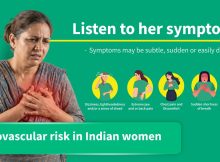
Cardiovascular risk in Indian women needs to be understood through population-specific research rather than general heart health advice. Three Indian studies offer complementary perspectives: cardiovascular risk factors among women aged 15 to 49, cardiovascular disease among adults
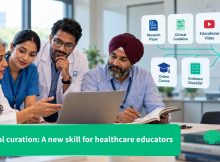
Digital curation helps healthcare educators make sense of the research papers, clinical guidelines, expert commentary, webinars, videos, and online courses available within seconds. Yet greater access does not automatically result in better learning. The real challenge is
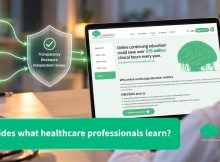
Industry funding in CME (Continuing Medical Education) helps support educational activities that enable healthcare professionals to keep pace with evolving evidence, treatments, and standards of care. However, commercial support can also raise questions about conflicts of interest,
Air pollution in India is often discussed in terms of traffic, industry, and the air outside. Yet smoke generated inside a home can also affect what people breathe each day. In some households, wood, dung, crop waste,
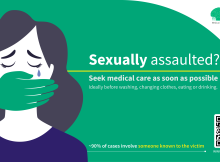
A sexual assault examination is an important healthcare encounter that can influence a survivor’s immediate health, emotional safety, access to treatment, and experience of the medico-legal process. Healthcare professionals must respond with sensitivity while addressing urgent clinical
Healthcare education growth in India has accelerated significantly over the past decade, creating a stronger foundation for developing the country’s healthcare workforce. According to the Ministry of Health and Family Welfare, the number of medical colleges increased
Medical research access in India remains unequal for many healthcare professionals. A doctor in private practice may identify a recent study relevant to a patient’s condition, only to discover that the complete article requires institutional access or
Academic pressure in India often begins with the strong connection between academic achievement and future opportunities. Board examinations, competitive entrance tests, college admissions and career decisions can place students under considerable pressure. Family expectations and comparisons with
A patient may visit a doctor because of persistent fatigue, attend a hypertension follow-up, speak with a nurse before surgery, or mention loud snoring during a dental consultation. Although these observations may appear routine, they can sometimes
The best healthcare decisions begin with the best evidence. Every day, healthcare professionals rely on scientific research to guide diagnosis, treatment, education, and patient care. Yet for many institutions in India, accessing leading international research journals has