Academic pressure in India: Recognising learning disorders
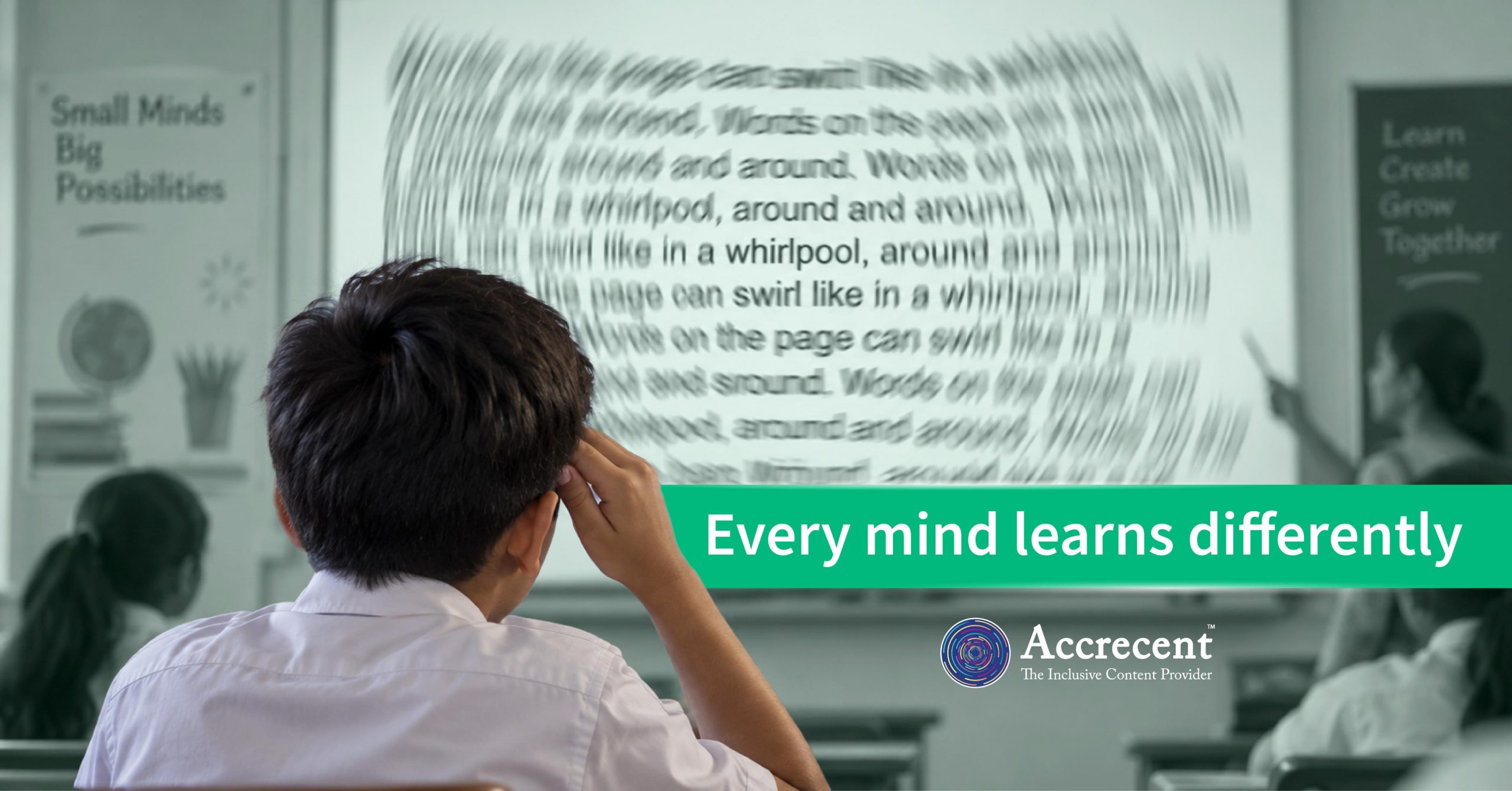
Academic pressure in India often begins with the strong connection between academic achievement and future opportunities. Board examinations, competitive entrance tests, college admissions and career decisions can place students under considerable pressure. Family expectations and comparisons with siblings or classmates may add to this experience. For students with unidentified learning disorders, the pressure can be particularly difficult because their academic struggles may continue despite genuine effort.
However, suicide is complex and cannot be attributed to academic pressure or any single factor. This article examines how academic expectations and unrecognised learning needs may contribute to emotional distress and why early recognition by healthcare and education professionals matters.
How academic pressure in India can define a student’s worth
Marks can gradually become more than a measure of academic performance. Students may begin to see them as proof of their intelligence, potential, and personal value. Pressure surrounding board examinations and competitive entrance tests, combined with comparisons and fear of disappointing adults, can make every result feel deeply personal.
Consider a capable student who understands scientific concepts during classroom discussions but repeatedly struggles to read examination questions accurately. Another student may communicate ideas clearly but find mathematical calculations unusually difficult. Without understanding the underlying reason, adults may describe them as lazy, careless, or unwilling to practise. Repeated criticism and disappointing results can gradually affect confidence, especially when the student is working hard but does not receive appropriate assessment or support.
Academic pressure and suicide: Why the connection is complex
Suicide never has one simple explanation. The World Health Organization explains that suicidal behaviour can be influenced by interacting social, cultural, biological, psychological and environmental factors. Mental health conditions, family conflict, isolation, bullying, discrimination and academic stress may affect each person differently.
Academic pressure in India may contribute to emotional distress, but it should not be presented as the sole cause of suicide. Responsible language is essential because oversimplified explanations can create stigma, overlook other risks and prevent a complete understanding of the person’s circumstances. Recognising this complexity does not mean ignoring academic pressure. It means addressing preventable sources of distress while ensuring students receive appropriate emotional, educational and professional support.
When hard work does not explain the struggle
Specific learning disorders are an often overlooked reason why some students experience persistent academic difficulty. A student may attend classes regularly, practise consistently and understand a subject during conversations, yet continue struggling with reading, writing or mathematics.
A learning disorder is not caused by laziness and does not indicate low intelligence. It may affect particular academic skills while abilities such as reasoning, creativity, communication or problem solving remain strong. It also does not prevent a student from succeeding when appropriate support is available.
A systematic review and meta-analysis of Indian studies estimated the pooled prevalence of specific learning disorders at 8 per cent. However, results varied considerably across the studies, highlighting the need for larger population-based research in India.
Understanding dyslexia and dyscalculia
Dyslexia
Dyslexia affects the development of reading-related skills. A student may experience persistent difficulty with accurate word recognition, decoding written language or developing reading fluency. These difficulties can make reading-based learning and examinations more demanding, even when the student understands the subject.
Dyscalculia
Dyscalculia affects the development of mathematical skills, including understanding numbers, quantities, and calculations. A student may understand a concept when it is explained verbally but struggle to apply it through numerical operations.
Not every difficulty with reading or mathematics indicates a learning disorder. Language barriers, educational opportunities, sensory difficulties and other developmental or emotional factors may also influence academic performance. Dyslexia and dyscalculia therefore require appropriate professional assessment rather than conclusions based on classroom observation or online checklists.
Early recognition can change a student’s experience
When a learning disorder remains unidentified, students may face repeated criticism, unrealistic expectations and pressure to improve through effort alone. Over time, these responses can affect confidence and influence how students view their own abilities.
Paediatricians, mental health professionals, clinical and educational psychologists, and school health professionals can help recognise when persistent, skill-specific academic difficulties require further evaluation. Teachers and families also play an important role by documenting concerns, listening to the student and seeking appropriate guidance.
Recognition should not begin with an immediate label. It should begin with curiosity about why a capable student continues to struggle in a particular area. Early recognition does not define or limit the student. It supports accurate assessment and helps professionals recommend suitable educational, psychological and practical support.
Turning academic struggle into the right support
Appropriate support should help students demonstrate their abilities without removing meaningful academic expectations. Depending on individual needs, this may include personalised learning support, evidence-based remedial education, assistive technology or suitable assessment methods. Eligible students may also receive compensatory time, a scribe or other examination assistance.
The Rights of Persons with Disabilities Act, 2016 recognises specific learning disabilities, including dyslexia, dysgraphia and dyscalculia. It also provides a legal framework for inclusive education and suitable examination modifications. However, accommodations are not automatically identical for every student. They depend on formal assessment, certification requirements, and the policies of the relevant educational board or institution. The objective is equitable participation, not reduced expectations.
Creating an environment where every student can learn
Addressing academic pressure in India requires shared responsibility because managing academic difficulties should not fall entirely on the student. Healthcare professionals, educators, families and institutions all have a role in creating an informed and supportive environment.
Healthcare professionals can recognise concerns and guide families towards appropriate assessment. Educators can respond to learning difficulties without criticism or stigma. Families can avoid treating marks as a measure of intelligence or personal worth. Educational institutions can strengthen awareness, referral pathways and accommodation policies using credible resources such as NCERT’s PRASHAST disability screening resource for schools.
Different ways of learning or demonstrating knowledge should not be considered inferior forms of achievement. When students receive appropriate opportunities, they are better able to show their understanding, abilities, and potential.
Building professional understanding of learning disorders
ACCRECENT plans to develop a series of educational modules on specific learning disorders, including dyslexia and dyscalculia. The proposed series will help healthcare and education professionals understand early recognition, professional assessment and appropriate referral pathways.
The modules will also address communication with students and families, educational support, reasonable accommodation and the emotional impact of unidentified learning difficulties. By strengthening professional understanding, the series aims to encourage timely, informed and compassionate responses to students experiencing persistent academic challenges.
Share your expertise: ACCRECENT call for authors
ACCRECENT invites qualified professionals with clinical, academic or research expertise in dyslexia, dyscalculia, specific learning disorders, developmental paediatrics, child and adolescent mental health, educational psychology or special education to contribute to this educational series.
Authors will have an opportunity to transform specialist knowledge into structured education for healthcare and education professionals. Interested experts can contact the ACCRECENT editorial team through the submission details that will be provided.
Beyond marks: Recognition can change the story
Academic pressure and learning disorders should never be presented as direct or isolated causes of suicide. Suicide is complex and requires a comprehensive, sensitive and evidence-based response. However, identifying learning difficulties can help reduce preventable distress, repeated criticism and feelings of personal failure.
A student’s difficulty with reading, writing or mathematics should lead to curiosity, assessment and support, not judgement about intelligence or future potential. CMEPEDIA helps healthcare professionals access evidence-based education that strengthens awareness and encourages more informed responses to the needs of students, families and communities.
