Affordable lifelong learning: Why healthcare education can’t stop at graduation
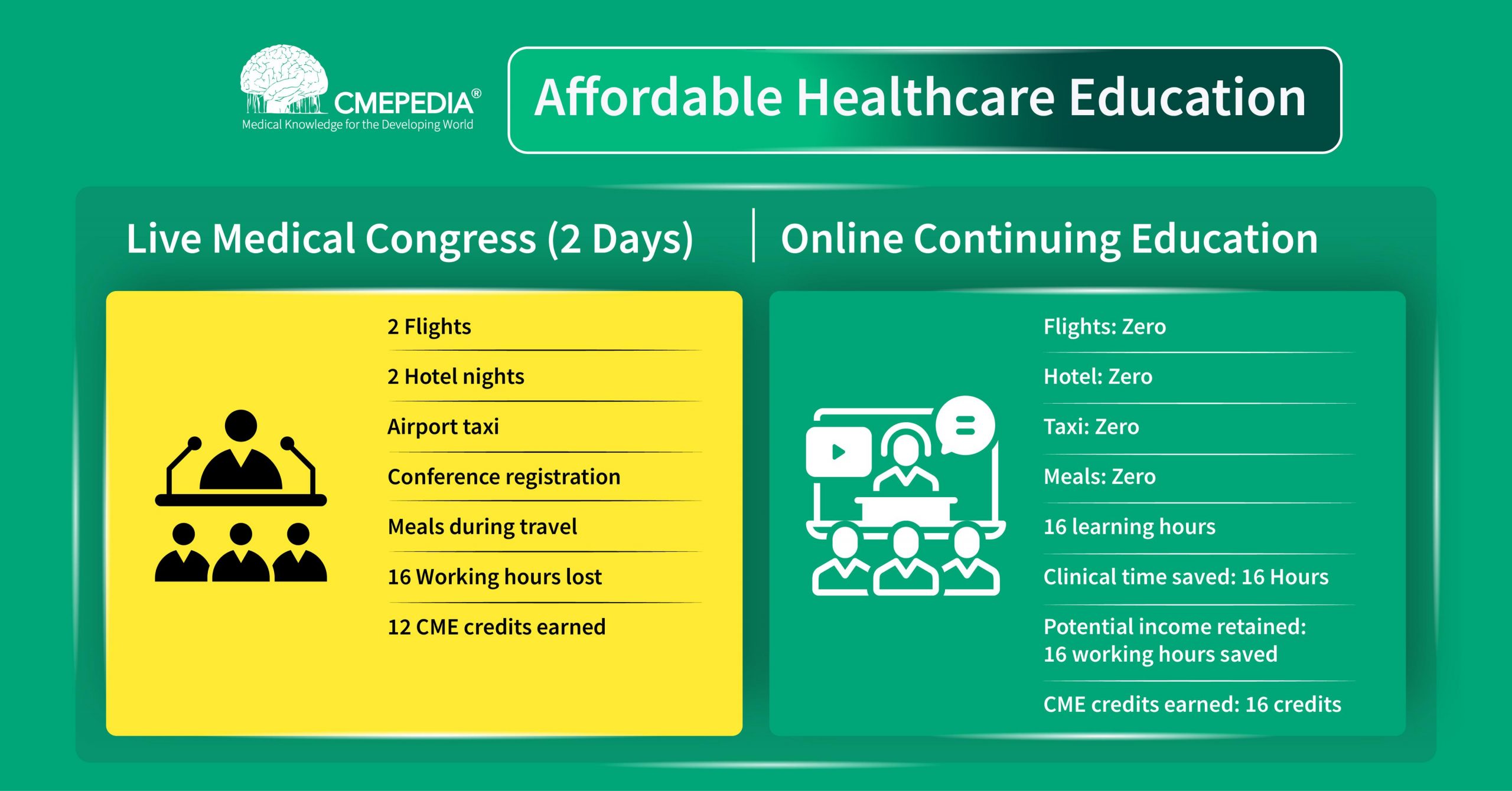
Affordable lifelong learning is essential for strengthening India’s healthcare workforce. However, affordability remains a major challenge throughout the medical education journey, from earning a professional qualification to continuing education after graduation.
Completing an MBBS, BDS, nursing, or allied healthcare programme requires a substantial investment of time and money. Learning cannot stop after earning a degree. As clinical evidence, technologies, treatments, and professional standards evolve, healthcare professionals need regular opportunities to update their knowledge and skills.
The affordability challenge in medical education
The Economic Survey 2024-25 identifies affordability as a major challenge in India’s medical education system. State governments fix fees in government medical colleges, while committees established by state governments set fees in private unaided medical colleges. The National Medical Commission has also issued fee determination guidelines, but these apply only to 50% of seats in private medical institutions and deemed universities.
Despite these measures, private medical education can cost between ₹60 lakh and ₹1 crore or more. The private sector also accounts for 48% of MBBS seats in India.
This financial burden contributes to thousands of Indian students pursuing medical education in countries such as China, Russia, Ukraine, the Philippines, and Bangladesh, where fees may be lower. However, studying abroad presents additional challenges. Graduates must clear the Foreign Medical Graduates Examination and complete a compulsory 12-month internship in India.
The Survey states that the FMGE pass rate was only 16.65% in 2023, raising concerns about the quality of medical education abroad, including access to adequate clinical training. These findings show why affordable education must be supported without compromising learning quality or clinical experience.
What the economic survey tells us: And what it doesn’t
The Economic Survey highlights encouraging progress in expanding medical education across India. Over the past decade, the number of medical colleges and MBBS seats has increased significantly, creating more opportunities for aspiring healthcare professionals. The country’s higher education network has also grown considerably, reflecting continued investment in educational infrastructure.
However, expanding access does not automatically make education affordable. While tuition fees at government medical colleges remain relatively low, the cost of studying at many private institutions can range from several lakhs to more than ₹1 crore for a full MBBS programme, depending on the institution, state, and admission quota. As a result, many families rely on educational loans to finance medical education. Eligible students may also benefit from government-backed financial assistance through the Pradhan Mantri Vidya Lakshmi initiative, subject to the scheme’s eligibility criteria.
These efforts are important and have helped improve access to medical education. Yet affordability remains a challenge for many aspiring healthcare professionals. The conversation should not end once a student graduates. The need for accessible and affordable lifelong learning continues throughout a healthcare professional’s career, making continuing professional education just as important as entry into the profession.
Learning doesn’t end with a degree
Completing a medical, nursing, dental, or allied health degree is only the beginning of a healthcare professional’s learning journey. Affordable lifelong learning helps these professionals continue developing their knowledge and skills throughout their careers. As clinical guidelines evolve, new therapies become available, and medical evidence advances, healthcare professionals must continue updating their knowledge throughout their careers.
Continuing professional education, however, comes with its own financial commitment. Registration fees for conferences and educational events, travel, accommodation, and time away from clinical practice can create high costs, particularly for those who rely on in-person learning. Registration fees alone can range from a few thousand rupees for specialty meetings to more than ₹30,000 for major national medical conferences such as APICON, before travel and accommodation are considered. While these activities provide valuable opportunities for education and professional networking, the cumulative expense can make regular participation challenging for many healthcare professionals.
Digital learning is helping to address some of these barriers by making accredited education more accessible and flexible. Online continuing education allows healthcare professionals to stay current with evolving evidence while reducing the need for extensive travel, time away from patients, and many of the additional costs associated with traditional in-person events.
Where affordability becomes a barrier again
The challenge of affordability does not end after graduation. If continuing education courses, conferences, and professional certifications are expensive or difficult to access, many healthcare professionals face the same financial barriers throughout their careers.
These challenges can affect some groups more than others, including:
- Healthcare professionals in rural and small-town areas, who may need to travel long distances or take time away from clinical practice to attend in-person learning activities.
- Early-career nurses and allied health professionals, for whom course fees can represent a significant proportion of their income.
- Government and public-sector healthcare workers, who often serve communities with limited healthcare resources and may have fewer opportunities for sponsored training.
- Smaller hospitals and clinics, where budgets for staff development may be more limited than those of larger healthcare institutions.
Expanding access through flexible learning
Continuing professional education is not only about course fees. For many healthcare professionals, attending a one-hour educational session can also mean several hours of travel, accommodation expenses, and time away from clinical practice. These indirect costs can make regular learning difficult, particularly for professionals working in smaller cities or busy healthcare settings.
Online education supports affordable lifelong learning by reducing financial and time related barriers. It allows healthcare professionals to learn without additional travel expenses or significant disruption to patient care.
Why this connects directly to patient outcomes
Affordable lifelong learning makes it possible for more healthcare professionals to stay current with evolving clinical evidence, rather than limiting educational opportunities to those who can afford frequent conferences or travel. As more doctors, nurses, dentists, and allied healthcare professionals access up-to-date education, the benefits extend beyond individual careers to everyday clinical practice.
Wider access to evidence-based learning ultimately supports safer care, more informed clinical decisions, and better patient outcomes across the healthcare system.
How CMEPEDIA supports accessible, evidence-based learning
CMEPEDIA is designed to make evidence based continuing education more affordable and accessible for healthcare professionals. In addition to offering online learning that reduces the costs associated with travel and time away from practice, the platform includes a Request Funding or Fund Me option, allowing healthcare professionals to request financial support for their continuing education.
This feature can help reduce financial barriers to professional learning by giving healthcare professionals a way to seek funding for relevant educational opportunities. Rather than replacing conferences or professional societies, CMEPEDIA complements them by expanding access to affordable, evidence-based learning whenever it is needed.
The bigger picture
Expanding access to medical education is an important step, but ensuring healthcare professionals can continue learning throughout their careers is equally essential. As medicine evolves, affordable and evidence-based continuing education helps clinicians stay current with new research, clinical guidelines, and best practices.
Every healthcare professional deserves access to high-quality learning throughout their career. By making evidence-based continuing education more accessible and flexible, CMEPEDIA supports lifelong professional development and better patient care.


