The value of continuing medical education cannot be measured only by the number of hours healthcare professionals spend learning. Throughout their careers, they attend conferences and webinars, complete
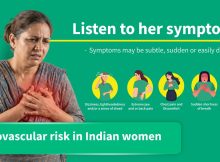
Cardiovascular risk in Indian women needs to be understood through population-specific research rather than general heart health advice. Three Indian studies offer complementary perspectives: cardiovascular risk factors among
Digital curation helps healthcare educators make sense of the research papers, clinical guidelines, expert commentary, webinars, videos, and online courses available within seconds. Yet greater access does not
Industry funding in CME (Continuing Medical Education) helps support educational activities that enable healthcare professionals to keep pace with evolving evidence, treatments, and standards of care. However, commercial
Air pollution in India is often discussed in terms of traffic, industry, and the air outside. Yet smoke generated inside a home can also affect what people breathe
Healthcare education growth in India has accelerated significantly over the past decade, creating a stronger foundation for developing the country’s healthcare workforce. According to the Ministry of Health
Medical research access in India remains unequal for many healthcare professionals. A doctor in private practice may identify a recent study relevant to a patient’s condition, only to
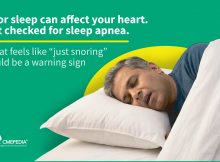
A patient may visit a doctor because of persistent fatigue, attend a hypertension follow-up, speak with a nurse before surgery, or mention loud snoring during a dental consultation.
The best healthcare decisions begin with the best evidence. Every day, healthcare professionals rely on scientific research to guide diagnosis, treatment, education, and patient care. Yet for many
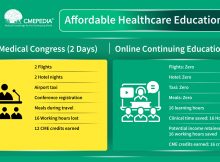
Affordable lifelong learning is essential for strengthening India’s healthcare workforce. However, affordability remains a major challenge throughout the medical education journey, from earning a professional qualification to continuing