Obstructive sleep apnea: Signs, screening and care
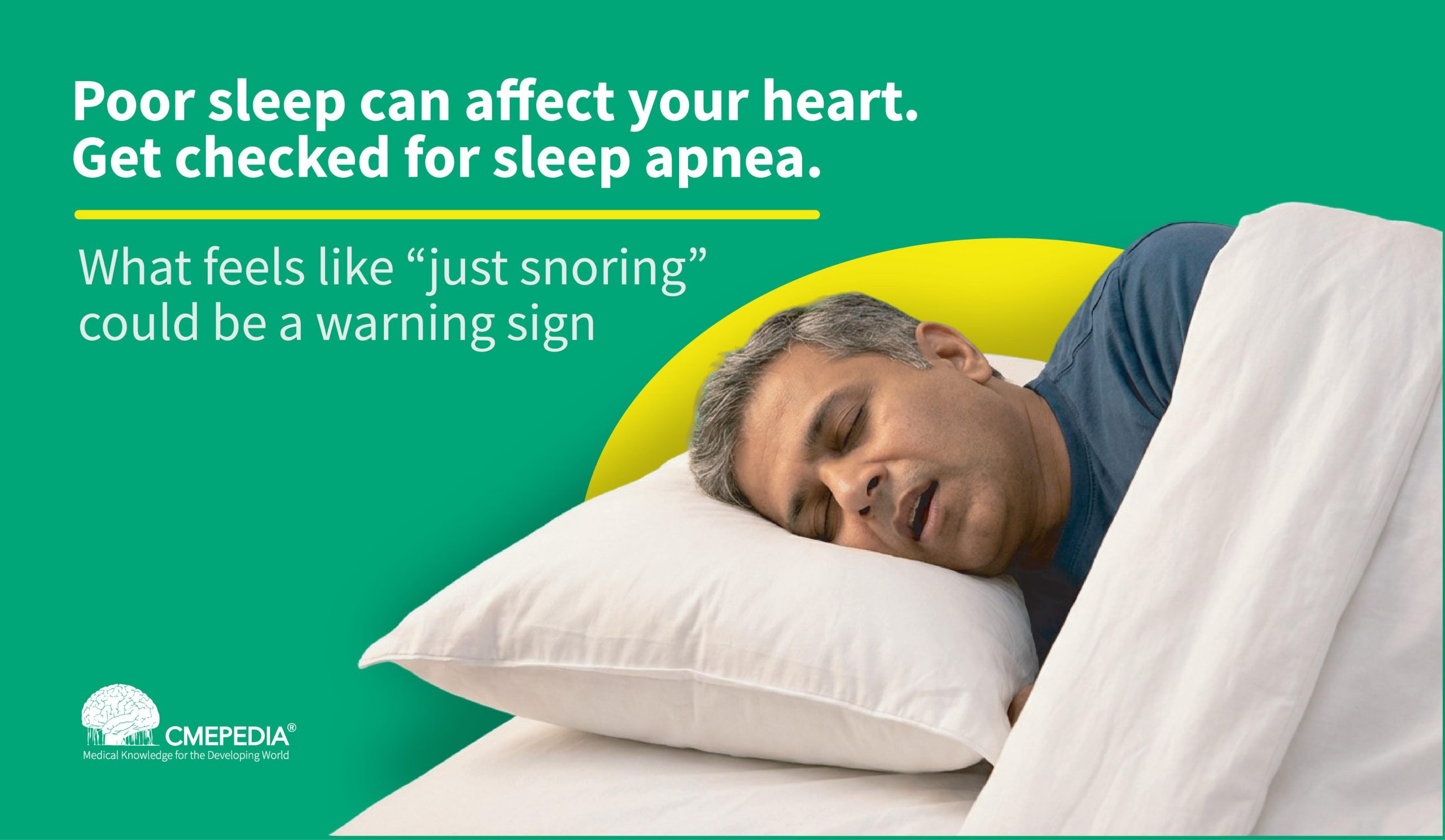
A patient may visit a doctor because of persistent fatigue, attend a hypertension follow-up, speak with a nurse before surgery, or mention loud snoring during a dental consultation. Although these observations may appear routine, they can sometimes indicate an underlying sleep-related breathing disorder that requires further evaluation.
Obstructive sleep apnea often becomes noticeable during everyday healthcare encounters rather than in a specialist sleep clinic. Recognising its possible warning signs is therefore relevant for doctors, nurses, dentists, and other healthcare professionals involved in patient care.
What is obstructive sleep apnea?
Obstructive sleep apnea is a sleep-related breathing disorder in which the upper airway repeatedly narrows or becomes blocked during sleep. This can reduce or temporarily stop airflow, interrupt normal breathing, and disturb restorative sleep. Because these events happen while a person is asleep, patients may not recognise them without observations from a family member or bed partner.
Loud snoring is a common warning sign, but snoring alone does not confirm that a person has OSA. Further clinical evaluation is necessary when snoring occurs alongside breathing pauses, gasping, daytime sleepiness, or other relevant symptoms.
How is OSA different from central sleep apnea?
OSA involves a physical obstruction of the upper airway. Central sleep apnea occurs when the brain does not send the signals required to maintain normal breathing during sleep.
Why obstructive sleep apnea may go unnoticed
Many of the most recognisable symptoms of sleep apnea occur during sleep. A family member or bed partner may notice loud snoring, pauses in breathing, choking, or gasping before the patient becomes aware of a problem.
During the day, fatigue, poor concentration, irritability, or sleepiness may be attributed to work pressure, insufficient sleep, ageing, or demanding personal responsibilities. For example, a patient attending a routine blood pressure consultation may mention feeling exhausted despite sleeping for several hours. Asking further questions about sleep quality and snoring may reveal a need for additional evaluation.
Common signs and risk factors of OSA
Possible signs of OSA include loud or persistent snoring, witnessed breathing pauses, gasping during sleep, morning headaches, unrefreshing sleep, excessive daytime sleepiness, difficulty concentrating, and changes in mood. These symptoms may raise clinical suspicion, but they do not establish a diagnosis on their own.
The likelihood of OSA may be higher when certain risk factors for sleep apnea are present. These include obesity, older age, a larger neck or tongue, enlarged tonsils, and anatomical features that can narrow the upper airway. OSA is more commonly diagnosed in men, but women can also be affected. Women may report symptoms such as fatigue, headaches, or insomnia, which may not immediately be recognised as possible signs of sleep apnea. Risk factors should always be considered alongside the patient’s symptoms, medical history, examination findings, and relevant comorbidities.
How different healthcare professionals may recognise OSA
Awareness of OSA is relevant across healthcare settings, not only within specialist sleep medicine. The Indian Initiative on Obstructive Sleep Apnea guidelines highlight the involvement of multiple specialties in recognising and managing the condition.
Doctors
Doctors may identify warning signs while assessing fatigue, obesity, diabetes, hypertension, cardiovascular conditions, morning headaches, or concentration difficulties.
Nurses
Nurses may notice snoring, breathing pauses, oxygen desaturation, or reported tiredness during ward monitoring, preoperative assessments, and routine patient interactions.
Dentists
Dentists may observe craniofacial or upper airway features that warrant questions about snoring, disturbed sleep, breathing pauses, or daytime sleepiness. Such observations should prompt appropriate evaluation or referral rather than an immediate diagnosis.
Why OSA deserves clinical attention
Repeated breathing disruptions and fragmented sleep can affect a patient’s health, daily functioning, and quality of life. Persistent daytime sleepiness may affect concentration, attention, memory, mood, and work performance. It can also increase the risk of mistakes or accidents in situations where alertness is essential.
OSA is associated with hypertension and several cardiovascular and cardiometabolic conditions. An American Heart Association scientific statement discusses the relationship between OSA and cardiovascular disease. Healthcare professionals should consider OSA when patients with obesity, diabetes, cardiovascular conditions, or difficult-to-control hypertension also report relevant sleep symptoms. These associations do not confirm OSA, but they may indicate that further assessment is appropriate.
Screening is a first step, not a diagnosis
The STOP Bang questionnaire is a widely used screening tool that helps identify people who may have an increased risk of OSA. It considers factors related to snoring, tiredness, observed breathing pauses, blood pressure, body mass index, age, neck circumference, and sex.
Depending on the healthcare setting and local protocols, trained healthcare professionals may use a validated questionnaire to determine whether further evaluation is appropriate. However, a STOP-Bang result cannot confirm or rule out OSA on its own.
Screening, clinical evaluation and diagnosis
Screening estimates a person’s likelihood of having OSA. Clinical evaluation considers symptoms, medical history, examination findings, risk factors, and comorbidities. Diagnosis requires appropriate sleep testing and interpretation by a suitably qualified clinician. Testing may involve laboratory-based polysomnography or home sleep apnea testing for appropriately selected patients. Keeping these stages separate helps prevent screening results from being mistaken for a confirmed diagnosis.
What happens after OSA is identified?
OSA management should be individualised according to the patient’s symptoms, sleep study findings, risk factors, comorbidities, airway anatomy, preferences, and other clinical considerations.
Lifestyle and behavioural measures
Depending on the patient’s needs, management may include weight management, regular physical activity, healthy sleep habits, positional measures, and avoiding alcohol close to bedtime.
Positive airway pressure therapy
Positive airway pressure therapy is commonly used to manage OSA. Patient education, appropriate mask selection, regular follow-up, therapy optimisation, and adherence support can help patients use the treatment consistently.
Other treatment options
Oral appliances may be considered for appropriately selected patients. Some patients may also require assessment for surgical options when clinically indicated. Treatment decisions should follow a complete clinical evaluation and appropriate diagnostic testing. A screening result alone should never be used to select or begin treatment.
Building confidence through continuing healthcare education
Recognising possible OSA is only the beginning. Healthcare professionals also need current knowledge of risk assessment, common comorbidities, screening tools, sleep studies, referral pathways, and evidence-based management options.
Real-world case discussions can help professionals apply this knowledge during routine consultations, dental appointments, preoperative assessments, and patient follow-up. CMEPEDIA supports continuing healthcare education by helping clinicians strengthen their understanding of conditions they may encounter in everyday practice and make more informed decisions about assessment, referral, and ongoing patient support.
Conclusion: Turning routine observations into timely action
OSA may first become apparent through common concerns such as snoring, fatigue, poor concentration, morning headaches, or unrefreshing sleep. Doctors, nurses, dentists, and other healthcare professionals can contribute to earlier recognition by knowing which questions to ask and when further evaluation may be appropriate. Greater awareness can help transform easily overlooked symptoms into opportunities for timely assessment, informed clinical decisions, and individualised care that responds to each patient’s circumstances.
CMEPEDIA has a dedicated course that helps clinicians recognise obstructive sleep apnea and understand evidence-based approaches to screening, sleep studies, comorbidities, lifestyle measures, PAP therapy, adherence support, oral appliances, and selected surgical options through practical case discussions.
Explore Recognising and Managing Obstructive Sleep Apnea on CMEPEDIA and strengthen your knowledge for everyday clinical practice.


