Pneumonia vaccination in India: Closing the adult gap
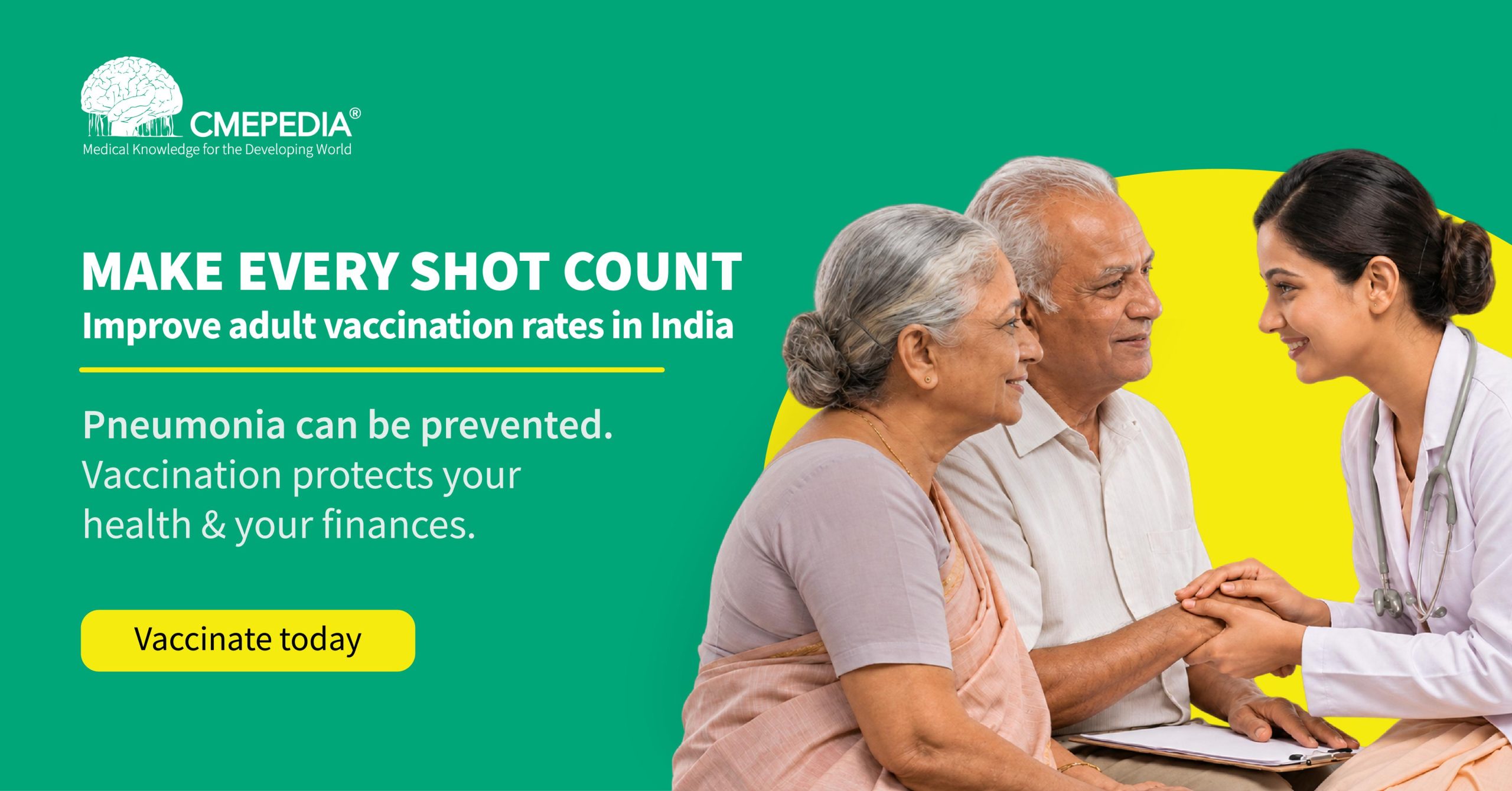
Pneumonia vaccination in India deserves more attention in routine adult care, where checking a patient’s pneumococcal vaccination history can help start the conversation. However, adults may also benefit from vaccines based on their age, health conditions, occupational exposure, and other individual risk factors. Pneumococcal vaccination is one important area of adult preventive healthcare because pneumococcal disease can cause pneumonia and other serious infections. Limited awareness, access and cost concerns, differing recommendations, and missed discussions during healthcare visits may all influence the low uptake of adult vaccination in India.
Why pneumonia vaccination in India is often overlooked
Childhood immunisation is supported by established schedules and regular contact with healthcare services, making vaccination a familiar part of paediatric care. Adults may not encounter the same routine reminders, and vaccination status may not be discussed during appointments focused on an immediate illness or chronic condition.
Limited awareness among patients, concerns about cost and access, and fragmented vaccination records can make it difficult to determine which vaccines an adult has already received. Recommendations may also vary according to age, underlying medical conditions, vaccination history, and the vaccine being considered. India does have professional guidance on adult pneumococcal vaccination, including the IAPSM position paper, but recommendations from different professional bodies may not be identical. Healthcare professionals must therefore consult current guidance and assess each patient individually rather than apply one recommendation to every adult.
Understanding pneumococcal disease in adults
A published Indian study on community acquired pneumonia examined hospital resource use and treatment costs among adults older than 60 across public and private hospitals in four Indian cities. The study found that the average cost of hospitalisation was equivalent to 16% of India’s per capita net national income in public hospitals and 65% in private hospitals. Private hospitals also used more resources per admission. Within the public sector, an admission to a tertiary care hospital cost about twice as much on average as an admission to a secondary care hospital. Costs and resource use were similar in patients with and without influenza.
Streptococcus pneumoniae is a bacterium that can cause pneumonia as well as invasive diseases such as bacteraemia and meningitis. However, pneumococcus is only one of several bacterial, viral, and fungal causes of pneumonia. Pneumococcal vaccines therefore do not prevent every case of pneumonia. Their protection relates to the pneumococcal serotypes included in the vaccine and other individual factors.
Older adults and people with certain chronic or immunocompromising conditions may face a greater risk of severe pneumococcal disease and related complications. Pneumonia may require hospitalisation, medication, diagnostic investigations, and time away from work or normal activities. It can also place financial and caregiving pressure on families.
For eligible adults, timely pneumococcal vaccination can help prevent some cases of pneumococcal pneumonia and reduce the risk of hospitalisation and its associated costs.
Who should receive a vaccination assessment?
When assessing adults for pneumonia vaccination in India, use current Indian professional guidance and approved vaccine information to determine individual eligibility for pneumococcal vaccination. Older adults may require assessment because the risk of severe pneumococcal disease can increase with age. Adults with chronic respiratory diseases, diabetes, certain cardiovascular conditions, immunocompromising conditions, or other recognised medical risk factors may also benefit from a vaccination discussion.
Indian recommendations may vary according to the professional body, patient group, vaccine type, and evidence considered. The 2024 Indian expert recommendations provide guidance for assessing adult pneumococcal vaccination in different clinical circumstances.
How clinics can start the pneumococcal vaccination conversation
A review of evidence from the Asia Pacific region found that adult pneumococcal vaccination remains underused. With limited consultation time, clinics can start the vaccination conversation in the waiting room.
Download CMEPEDIA’s free patient awareness poster on pneumococcal vaccination and display it at reception or in the waiting area, where patients can easily see it. The poster can prompt patients to ask their care team whether pneumococcal vaccination is recommended for them.
Use CMEPEDIA’s free module on pneumonia vaccination to train nursing staff and make a vaccination history check part of routine intake. While checking blood pressure, pulse and weight, nurses can ask, “Have you ever received a pneumococcal vaccine? If so, do you remember when?” They can record the answer and flag any uncertainty for the clinician to review.
This makes the waiting room a place to screen for vaccination needs. Whether the patient is there for a diabetes follow up, a COPD review or a preventive health check, the clinician can use the information collected at intake to assess eligibility, answer questions and help the patient make an informed decision.
How healthcare professionals can support informed decisions
Use the vaccination history collected at intake to guide the consultation. If a patient is unsure which pneumococcal vaccine they received or when, check any available vaccination records before advising on the next dose. If the records are unavailable, document what the patient recalls and use current guidance to decide how to proceed.
When vaccination is recommended, explain why it is relevant to the patient and ask what they would like to know before deciding. If cost or access is a concern, tell them where they can receive the vaccine and how to check the price. If they want more time to decide, record the discussion and agree on when to revisit it.
CMEPEDIA’s course on pneumonia vaccination provides structured education on pneumococcal disease, vaccination considerations, vaccine hesitancy, and the role of immunisation in reducing disease burden.
Conclusion: Make pneumococcal vaccination visible
To start more conversations about pneumonia vaccination in India, display CMEPEDIA’s free pneumococcal vaccination poster in your waiting room.
For training on who may need vaccination and how to discuss it with patients, use CMEPEDIA’s free course, “Pneumonia Vaccination in India”.


